
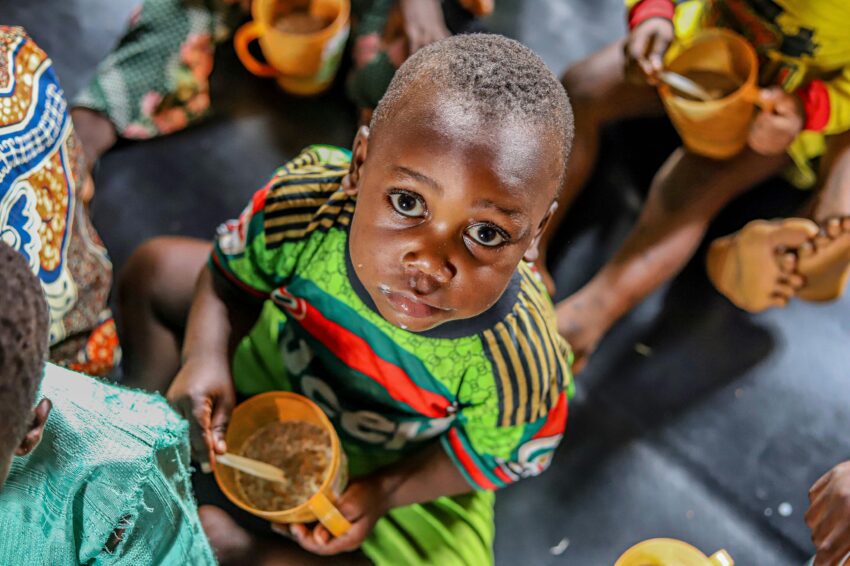
A Growing Problem Shaped by Conflict and Economic Stress
Food insecurity usually doesn’t start with a lack of food. It starts when everyday systems stop working the way they’re supposed to. Roads close. Borders tighten. Markets open for fewer hours, or not at all. Suddenly, food exists somewhere, but not where people need it.
In Gaza, repeated disruptions to aid routes and trade have made regular food access unpredictable. Families plan meals around uncertainty, not availability. In Sudan, violence has broken apart farming communities that once supplied entire regions, leaving local markets hollow. Ukraine’s war continues to echo far beyond its borders, reducing grain exports that many countries in North and East Africa relied on for stability rather than surplus.
Afghanistan shows another side of the problem. Food can be sourced, but frozen financial systems and economic isolation make importing it nearly impossible. Hunger there is not caused by empty warehouses, but by locked doors.
Economic breakdowns have pushed food insecurity into places that rarely make hunger headlines. Lebanon’s currency collapse turned basic groceries into unaffordable items almost overnight. In Sri Lanka, fuel shortages stalled food transport, leaving fresh produce to rot before reaching cities. Across parts of Europe, food banks have seen steady growth in demand as energy costs and inflation squeeze households that were once financially secure.
Hunger Relief Beyond Emergency Response
Emergency food parcels still matter. They save lives during sudden crises. But when instability stretches on for months or years, short-term solutions stop being enough. People need food systems they can rely on, not just emergency deliveries when situations make the news.
School meal programs, subsidised bread, and local distribution points have become lifelines in many regions facing prolonged hardship. In places like Syria and Yemen, where displacement is common and jobs are scarce, regular food access provides structure in otherwise fragile daily life. It offers something predictable when almost everything else feels uncertain.
Aid organisations have learned this the hard way. Fragmented responses cost time and trust. Coordinated planning, for example, shared stockpiles, regional transport agreements, and early warning systems, allows food to move before shortages become disasters. These systems rarely attract attention, but they quietly prevent crises from tipping into catastrophe.
Planned Food Programs and Predictable Giving Models
Unstable markets have changed how hunger relief works. Relying on last-minute fundraising no longer matches the scale or duration of need. Planned annual food programs allow charities to secure supplies in advance, manage price fluctuations, and deliver aid consistently, even when transport routes or costs shift.
These efforts are not limited to one community or belief system. Christian aid organisations, Sikh langar kitchens, Jewish humanitarian groups, and secular charities all run structured food programs throughout the year. During major emergencies, their work often overlaps on the ground, because hunger does not recognise religious or cultural boundaries.
Among Muslims, annual planning cycles such as zakat 2026 are often referenced when examining how predictable giving supports sustained food distribution.
Global Aid Is No Longer a One-Way System
Food security is no longer seen as a problem that belongs to “somewhere else.” A drought in the Horn of Africa affects prices in the Middle East. Export restrictions in one country can raise costs thousands of kilometres away. The system is connected, whether policymakers like it or not.
Because of this, international cooperation has shifted from idealistic to practical. Organisations such as the World Food Programme focus heavily on resilience, supporting local farmers, investing in climate-adaptive crops, and using digital food vouchers that strengthen local markets instead of bypassing them. These efforts aim to reduce long-term dependence without leaving people exposed during instability.
Trust, Transparency, and the Role of Communities
Trust has become one of the most important currencies in hunger relief. Donors want clarity. Communities want accountability. As a result, charities increasingly publish detailed distribution data and work closely with local monitors who understand real needs, not just projected ones.
Local involvement often makes the difference. Volunteers, neighbourhood groups, and religious centres notice food stress long before it shows up in national reports. They see smaller portions, skipped meals, and quiet changes in behaviour. Their insight keeps aid grounded in reality rather than assumptions.
Why Food Security Continues to Matter
Food security reaches far beyond nutrition. It affects health outcomes, learning ability, workforce participation, and long-term stability. When hunger becomes persistent, healthcare systems strain, education suffers, and economic recovery slows. Migration pressures rise, even after conflicts fade or economies begin to stabilise.
In a world facing overlapping crises, food security remains both practical and deeply human. Addressing it requires steady planning, reliable funding, and cooperation across cultures and institutions. Hunger relief today is not just about providing meals. It is about protecting dignity, maintaining stability, and giving societies the chance to recover without leaving their most vulnerable behind.
Stay in touch to get more updates & news on Contact Help!