
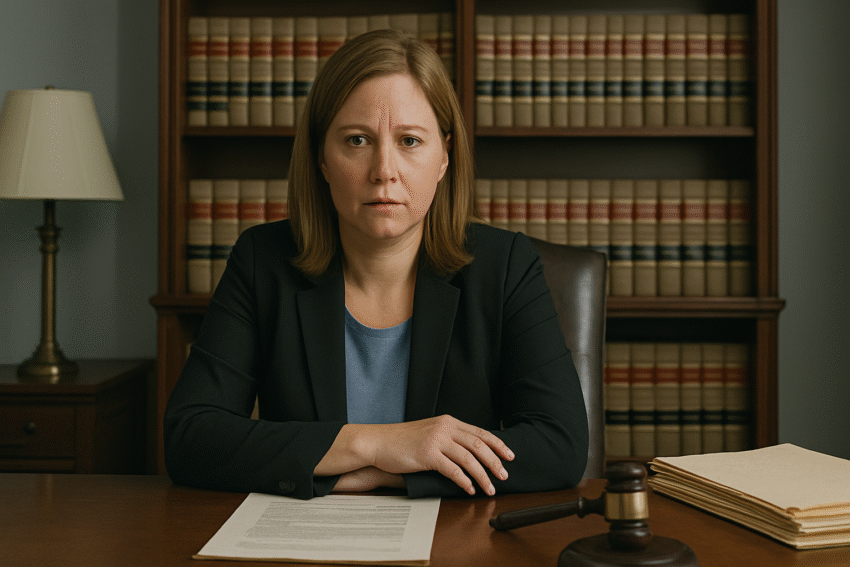
Stacey Huels lawsuit, they often assume it was a personal legal battle filed against Stacey Huels herself. That assumption is understandable, but it is also incorrect. The lawsuit connected to Stacey Huels was not a personal case accusing her of wrongdoing. Instead, it was part of a broader legal dispute involving Wheaton Bank & Trust and Safeco Insurance, where Stacey Huels appeared in a professional or contextual role due to her senior position.
In this article, we break everything down in a clear, simple, and human way. We explain what the Stacey Huels lawsuit was really about, why her name became associated with it, what the dispute involved, and what lessons can be taken from the case. We keep things conversational, factual, and easy to follow—no legal jargon overload, no dramatic exaggeration, and no AI-style writing. This is written in a “we” tone because it’s intended for main site content.
Overview
The Stacey Huels lawsuit was not a personal legal action against Stacey Huels. She was not sued individually, nor was she accused of misconduct. Her name surfaced because of her senior-level involvement in a financial or administrative capacity connected to the institutions involved.
At its core, the case was a commercial and insurance-related dispute between Wheaton Bank & Trust and Safeco Insurance. Stacey Huels’ role was tied to documentation, decision-making processes, or professional responsibilities within that environment.
This distinction matters, especially in today’s digital world where names get linked to lawsuits without proper context.
Background
To understand why this lawsuit gained attention, we need to understand how corporate legal cases work.
Large organizations like banks and insurance companies operate through executives, managers, and senior professionals. When disputes arise, courts often reference these individuals because they:
- Signed documents
- Approved processes
- Managed departments
- Oversaw compliance or operations
Stacey Huels was one such professional figure. Her role placed her in proximity to the legal dispute, but proximity does not equal liability.
Unfortunately, online searches and short summaries often blur that line.
Who Stacey Huels Is in This Context
In this situation, Stacey Huels was known as a senior professional, not a defendant acting in a personal capacity. She was not sued as an individual, and there is no evidence suggesting personal negligence, fraud, or wrongdoing tied directly to her.
Her name appears because:
- She held a leadership or senior administrative role
- She was connected to relevant operations or records
- Her position required involvement in decisions later reviewed in court
This is common in corporate litigation and does not imply guilt or legal fault.
The Real Parties Involved
The actual legal dispute was between two entities:
- Wheaton Bank & Trust
- Safeco Insurance
These cases typically revolve around:
- Insurance coverage disagreements
- Contract interpretation
- Claim responsibility
- Financial risk allocation
The lawsuit focused on how obligations were handled, not on personal conduct by Stacey Huels.
Nature of the Dispute
At its heart, the lawsuit dealt with insurance and financial responsibility. When banks work with insurance providers, they rely on policies to protect against specific risks. When a claim arises, disagreements can happen over:
- Whether the claim is covered
- How much should be paid
- Who bears responsibility
- Whether policy terms were followed correctly
The Stacey Huels lawsuit falls into this category. It was a business disagreement, not a personal legal drama.
Why Her Name Appeared Publicly
People often wonder why Stacey Huels’ name shows up in search results if she wasn’t personally sued. There are a few reasons this happens:
- Legal documents name individuals involved in operations
- Depositions and records reference senior staff
- Court summaries list key professional roles
- Online databases extract names without context
Once a name enters public legal records, it can circulate online—even when the person is not a defendant.
This is one of the biggest reasons confusion spreads.
Common Misunderstandings
Let’s clear up a few major misconceptions surrounding the Stacey Huels lawsuit.
She Was Personally Sued
No. The lawsuit was not filed against Stacey Huels as an individual.
She Was Accused of Wrongdoing
No accusations of personal misconduct were made against her.
It Was a Criminal Case
No. This was a civil and commercial dispute.
It Damaged Her Reputation Legally
There is no legal finding or judgment against Stacey Huels personally.
Professional Involvement Explained
In senior roles, professionals often:
- Approve internal procedures
- Communicate with insurers
- Handle compliance documentation
- Represent institutions during audits
When disputes arise later, courts look at what processes were followed, not whether a specific individual acted maliciously.
Stacey Huels’ involvement appears to be procedural and professional, not personal or unethical.
Legal Context
Civil lawsuits between banks and insurance companies are extremely common. They usually focus on:
- Contract wording
- Policy interpretation
- Risk coverage
- Financial liability
Names of executives or managers appear because courts need clarity on how decisions were made, not because those individuals are in trouble.
This is standard legal practice.
Impact on Public Perception
One of the unfortunate outcomes of searchable legal records is that people can be misunderstood online.
When someone searches “Stacey Huels lawsuit,” they may assume:
- She was sued personally
- She lost a case
- She committed an error
In reality, none of that is supported by the nature of this case.
This highlights why accurate explanations matter.
Media and Search Confusion
Search engines don’t explain context—they index keywords. When legal documents include names, those names can:
- Rank in search results
- Appear in summaries
- Be misunderstood by readers
That’s exactly what happened here. The phrase “Stacey Huels lawsuit” became searchable, even though the lawsuit itself was not about her as a defendant.
Lessons From the Case
There are several takeaways we can all learn from this situation.
Context Matters
Names alone don’t tell the full story. Legal context is essential.
Corporate Roles Carry Visibility
Senior professionals often appear in records without being at fault.
Online Information Can Mislead
Search results don’t always reflect reality.
Legal Involvement Is Not Guilt
Being mentioned in a case does not mean wrongdoing.
Professional Reputation
There is nothing to suggest that Stacey Huels’ professional reputation suffered any formal or legal damage due to this case. Appearing in legal documentation as part of a corporate structure is not a negative mark.
In many industries, it’s simply part of leadership responsibility.
Why People Still Search This Keyword
People continue to search for “Stacey Huels lawsuit” because:
- They see the phrase online without explanation
- They want to verify rumors
- They are researching legal background
- They want clarity
That’s why clear, human explanations like this are important.
Clearing the Record
Let’s state it plainly:
The Stacey Huels lawsuit was not a lawsuit against Stacey Huels personally. It was a dispute between Wheaton Bank & Trust and Safeco Insurance, where Stacey Huels’ name appeared due to her professional role.
No criminal charges.
No personal liability.
No misconduct findings.
Just a corporate legal disagreement.
Why Accuracy Matters Online
In today’s digital environment, inaccurate assumptions can spread fast. One misunderstood headline or keyword can:
- Affect reputations
- Cause unnecessary concern
- Spread misinformation
By explaining the facts calmly and clearly, we help create a more accurate narrative.
Final Thoughts
The Stacey Huels lawsuit is a perfect example of how names become attached to legal cases without full context. While her name appears in connection with the dispute, the lawsuit itself was not about her as an individual.
It was a business-related insurance dispute involving Wheaton Bank & Trust and Safeco Insurance. Stacey Huels’ role was professional, not personal, and there is no evidence of wrongdoing tied to her.
When we look beyond search results and into the actual nature of the case, the picture becomes clear. This was a routine corporate legal matter that gained attention simply because of how information circulates online.
Understanding that difference helps us separate facts from assumptions—and that’s something worth doing every time a name and a lawsuit appear together.