
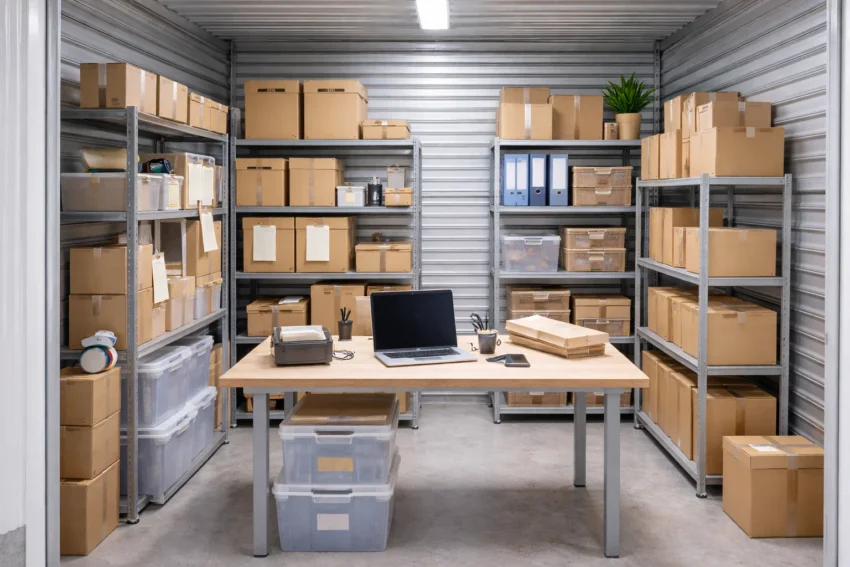
Modern worksites are no longer about machinery and manpower alone; they are about precision, systems, and efficiency. Everything from a tool to a machine—including a stacker to a part—has to be stored in such a manner that it further enhances the workflow without causing any downtime, ensuring the operation is safe, too. Smart storage isn’t just ensuring neatness so workers don’t trip over wires or the like; it’s an engineering strategy using science to boost productivity.
The Foundation of Smart Storage
Science begins with observation. This mapping of patterns creates zones: dynamic for high-use tools, static for larger equipment, and controlled for sensitive devices. Even underground systems or funneling systems that are not outwardly there on the site, for example, dewatering pumps, require thoughtful placement. The pump responsible for, for example, handling water removal and preventing water hold-up on sites is the dewatering pump, which, if stored incorrectly, leads to electrical faults, clogging, and corrosion on your sites.
These pumps will remain reliable, provided elevation, ventilation, and drainage around the place of storage are properly addressed. This is the simple rule of physics: reduce contact with water, manage air flow, and control vibration. In fact, it is such physical principles that form the very base of smart storage, which prolongs machinery life and saves costs over time.
Organizing with Purpose
Here is a small guide on how you can perform modular zoning on your site:
- Each Zone, Particular Purpose: Modular zoning is all about breaking down the worksite into functional areas tailored to the flow of your work. Each zone will serve a particular purpose that can be expanded or contracted as project demands change.
- Flexible by Design: What truly gives modular zoning its power is its flexibility. You can scale up a heavy equipment area when the heavy machinery comes in and scale it back down when precision tasks take over.
- Smart Storage Ecosystem: A modern pallet racking system helps you locate and quickly procure what you need from storage, enabling an enviable speed, especially in ecommerce operations.
- Human-Centric Flow: The structure is based on how people move and work. Fewer unnecessary steps, no confusion over where a tool is, smoother transitions between tasks. Productivity feels natural.
- Safety Meets Strategy: Clear zoning reduces hazards, keeps pathways free, and ensures stability of equipment. Safety in modular setups is built into the very layout and not an afterthought.
- Design Thinking in Action: Modular zoning is how order and creativity meet. What once felt chaotic becomes predictable, efficient, and, quite simply, more human thanks to a bit of deliberation over spatial planning.
Integrating Technology
Modern smart worksites operate on a data-driven principle. Sensors, digital tracking, and AI-based inventory systems have become rather common tools in construction and manufacturing today. This brings a different level of precision to storage management.
With each one containing a unique RFID, every scan provides its exact location, when maintenance was due, and when it was performed. There are no more hours you will stop searching for lost parts or misplaced tools by managers because now they can track everything in real time, including predicting when something will need servicing.
Technology also supports sustainability—it ensures that you don’t have to pay a hefty fine because of your ignorance of green laws in your area. Developments in data facilitate you in making storage a technology-driven, precise strategy that ends up saving you some pretty big bucks by preempting any errors or issues.
Safety Through Science
One of the biggest advantages of smart storage is safety: improperly stored tools can fall, leak, or create hazards. In construction zones where heavy movement is constant, these risks multiply. Applying the science of storage via barriers, signage, and structured pathways minimizes the occurrence of accidents. This is a willful exercise in design and human ergonomics that not only allows for easy-to-reach frequently-used tools but also prevents serious lawsuits by making accidents entirely improbable.
Even the ground beneath our feet is important. The ground has to be strong, particularly for places that store or function with heavy machinery. That’s where compacting tools and vibratory rollers come in. These machines prepare the soil by reducing air gaps and increasing density, making surfaces firm and reliable.
A properly compacted area means the shelves will not tilt, the machines will stay in their place, and the storage zones remain level—all constituents of smart storage.
Saving Money and Securitising- the Ultimate Combination
Many people tend to see the modernization of worksites as an unnecessary expense given the upfront payment can make a sizable dent in your wallet. However, a smart worksite architect, engineer, or manager knows that the extra dollars forked out in the beginning prevents accidents and extreme disrepair of machines by preemptively warning operators and prioritizes operator safety in a manner that prevents loss of life and limb. Investing in something as small as a tech-compatible compressed air dryer can ensure the longevity and perfect scheduling of your worksite goals.
Stay in touch to get more updates & news on Contact Help!